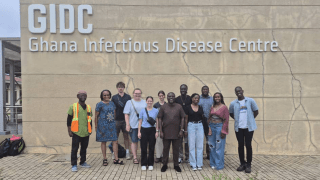
Summer Surge Drives Growth in Study Aboard Participation at St. Lawrence
Overall participation in St. Lawrence’s study abroad programs is on the rise, thanks in large part to a sharp increase in the number of students taking advantage of summer off-campus study experiences overseas.
Since 2019, summer study abroad enrollment has nearly doubled, a surge fueled by strong student demand and generous philanthropic support, says Matt Carotenuto, history professor and associate dean of international and intercultural studies.
“We’ve responded to that growth with an investment in summer scholarships thanks to generous alumni,” Carotenuto says.
Much of the increase, he says, comes from “busier” students, such as athletes and double-majors, who have trouble fitting in semester-long experiences. For them, summer options offer vital access to transformative global experiences.
In part because of the growth in summer programming, St. Lawrence also rose to 25th in the nation among baccalaureate institutions for overall participation in international study abroad programs, according to the 2025 Open Doors Report.
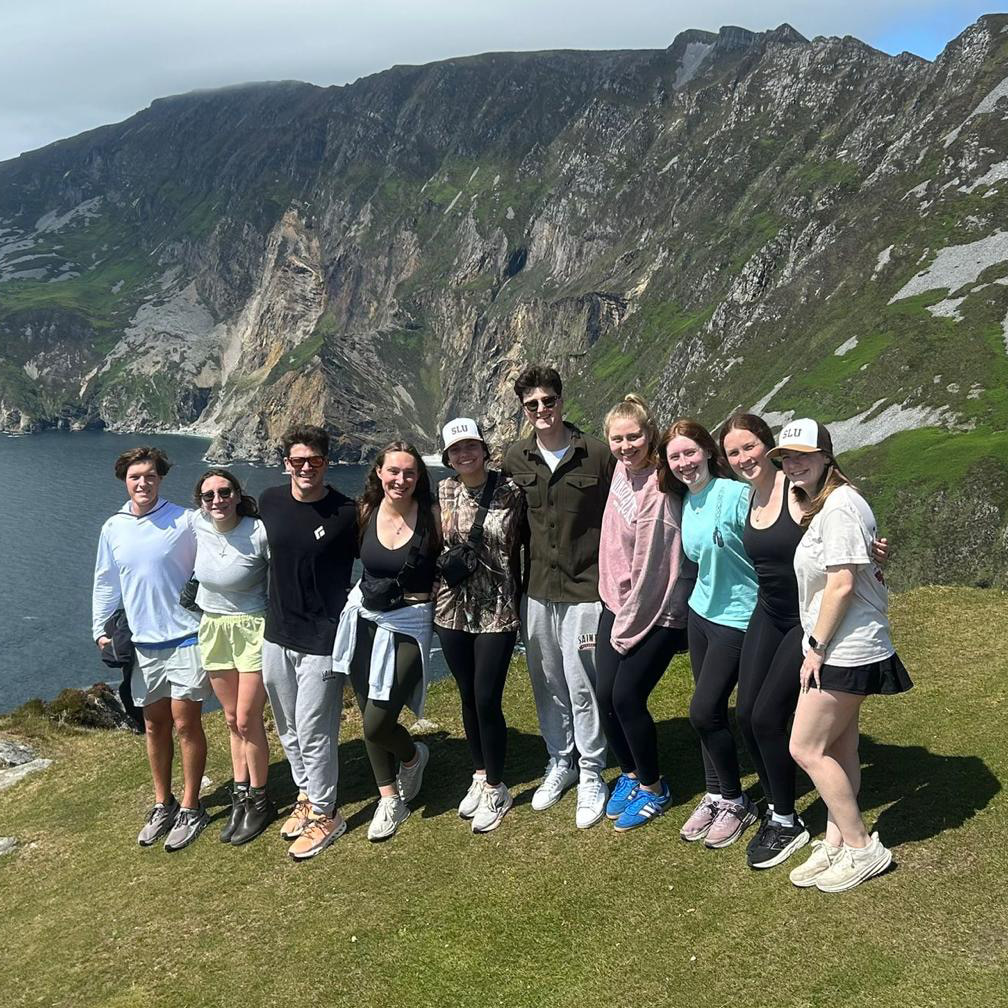
“This clearly shows that interest in off-campus study at St. Lawrence is as strong as ever,” Carotenuto says.
That number, he adds, doesn’t even take into account St. Lawrence’s legendary Adirondack Semester program, its Liberal Arts in New York City Semester, or other popular domestic off-campus opportunities. Nor does it account for the fact that St. Lawrence is ranked against institutions with much larger student bodies.
This fall, more than 400 students signed up for the off-campus study fair to learn about study abroad offerings at St. Lawrence. “That’s nearly a quarter of the campus body,” Carotenuto says, “so students clearly want to make off-campus study part of their experience.”
Some of the popular summer programs, he says, include Associate Professor of Biology Susan Willson’s class in Ecuador, where students learn about avian ecology. Last year, there was a course that went to Hong Kong and Sri Lanka to learn about food systems and global trade. A popular long-standing summer program is Neuroscience of Fear, which currently takes place in London.
There are also relatively new summer internships funded by the Freeman Foundation to southeast Asia for students studying all sorts of disciplines. “Our first cycle for that was after the pandemic, and each year we’ve been asked to increase our grant by the foundation due to its success,” Carotenuto says, adding that next summer St. Lawrence will be sending up to 10 students for fully funded internships to Thailand and Vietnam.
Carotenuto says the success and popularity of St. Lawrence’s off-campus programs is the result of a collective effort. “Everyone across campus—including professors, staff members, advisors, coaches, etc.—helps students make off-campus study part of their experience here, no matter their academic or financial situation.”
“Our University offers great support to students,” adds Carotenuto, “and for those who want to study abroad, we will help them figure it out.”