
Environmental Science
About Our Program
Scientific Perspectives and Practical Skills
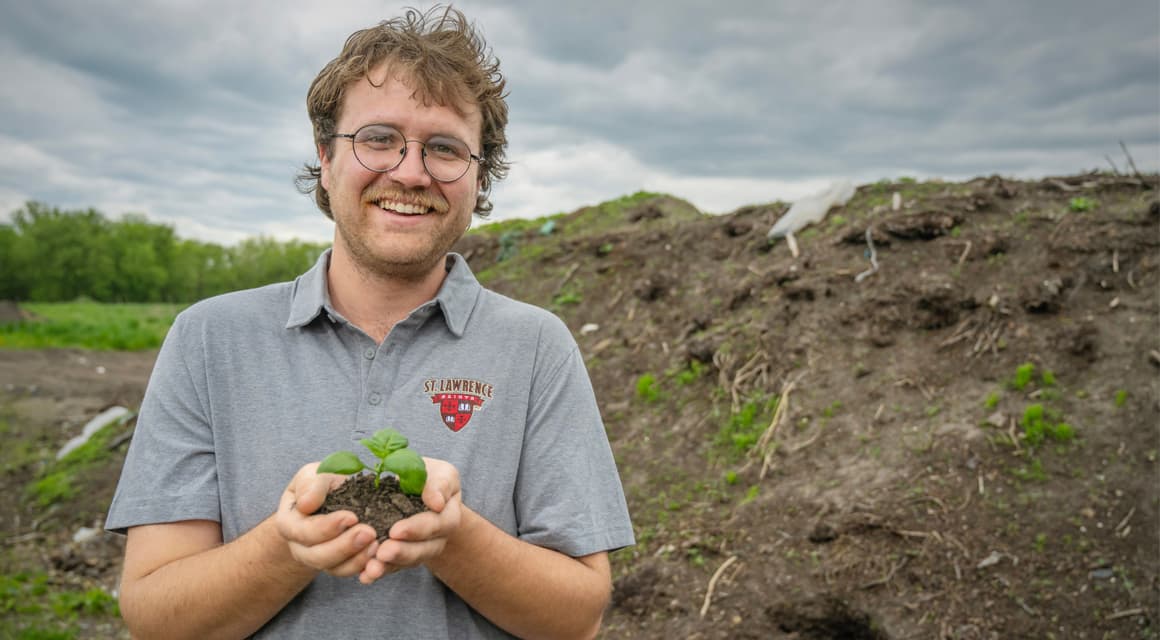
Our environmental science major gives you the tools and location to dig into environmental challenges while building the skills to solve them.
You’ll study environmental problems from multiple scientific perspectives while building practical skills in data analysis, quantitative methods, laboratory work, GIS, and research. And because environmental challenges don’t fit neatly into one discipline, you’ll also explore environmental policy and other perspectives while having the flexibility of a liberal arts education.
Our Campus, Your Laboratory
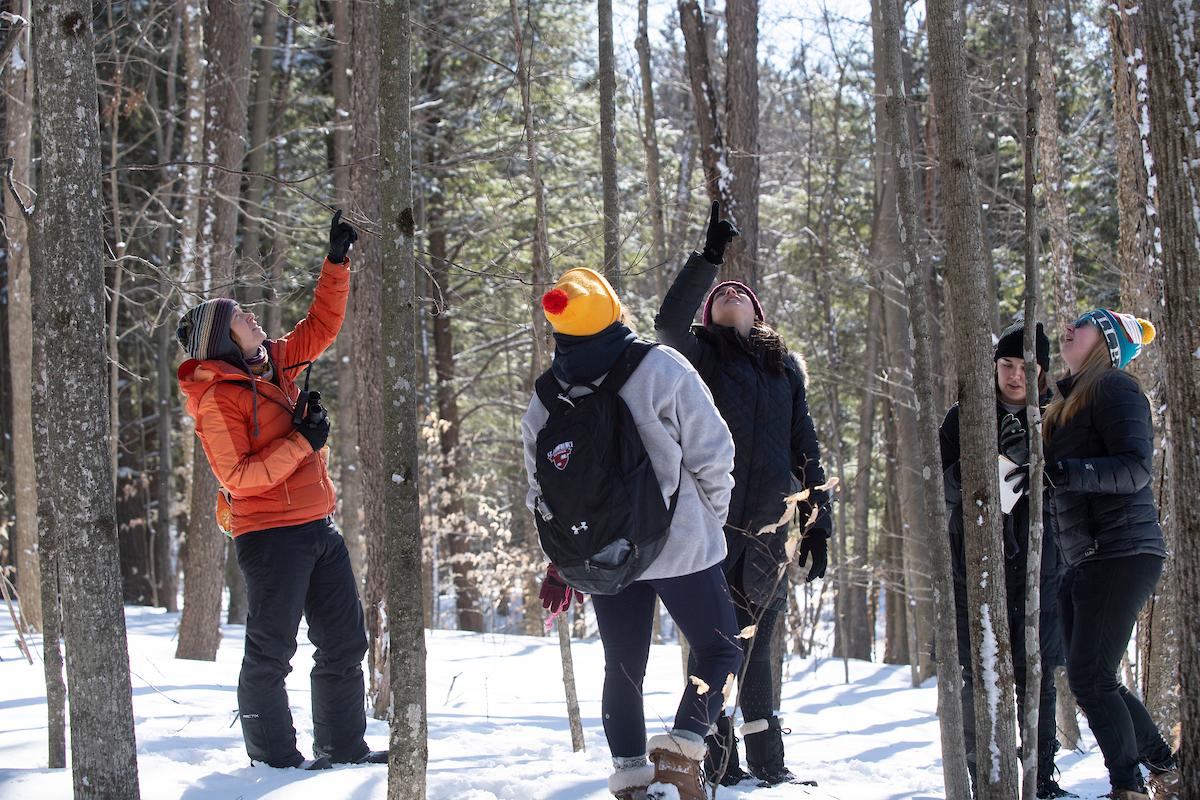
You can consider our North Country location your laboratory. You'll have access to forests, wetlands, waterways, farms, communities, and working landscapes where you can investigate environmental systems firsthand. On campus and around the globe, you’ll have opportunities to collect data, conduct research, test ideas, and put your scientific skills to work on real environmental questions.
The result? A strong scientific foundation, freedom to explore your interests, and a place where you can learn environmental science by doing environmental science.
Put Your Learning Into Practice
Build the skills, experience, and connections to turn your interest in environmental science into an impactful career.A Signature Environmental Science Experience
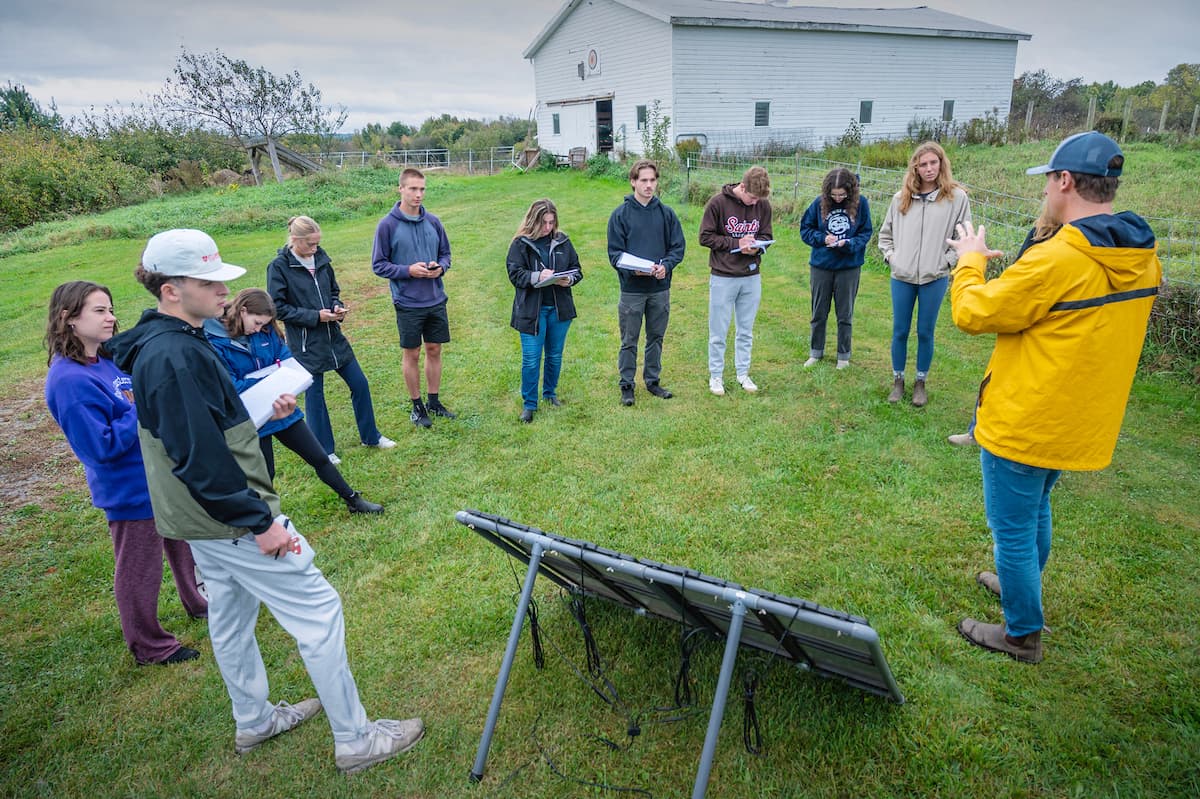
In a signature course designed for environmental science majors, you’ll work with students and faculty across scientific disciplines to investigate real environmental questions through hands-on, problem-based learning.
And your laboratory can be campus itself. You might explore questions related to:
- Biodiversity and invasive species
- Water quality and ecological restoration
- Food systems and composting
- Health monitoring
- Campus energy systems
Explore Your Career Path with Faculty
Your interests don’t have to fit neatly into a concentration. With guidance from environmental science faculty you can shape your coursework around the questions you want to explore, the skills you want to build, and where you hope to go next.
Your faculty mentors can help you explore your interests in areas like energy, environmental analytics, environmental chemistry, changing landscapes, and environmental science and policy. These advising pathways give you direction while leaving room to explore so you can develop meaningful expertise without giving up the flexibility of a liberal arts education.
What's the difference between environmental science and environmental studies?
Both majors let you explore environmental challenges from multiple perspectives; the difference is where you want to go deeper.
Environmental science is a good fit if you want to investigate environmental problems through scientific and quantitative methods. You’ll build greater depth in areas such as laboratory science, GIS, data analysis, chemistry, biology, geology, physics, and other STEM fields.
Environmental studies takes a broader interdisciplinary approach, connecting environmental questions with areas such as policy, advocacy, economics, society, and culture. Our program connects environmental learning with the economy, public health, and societal well-being.
Off-Campus Study
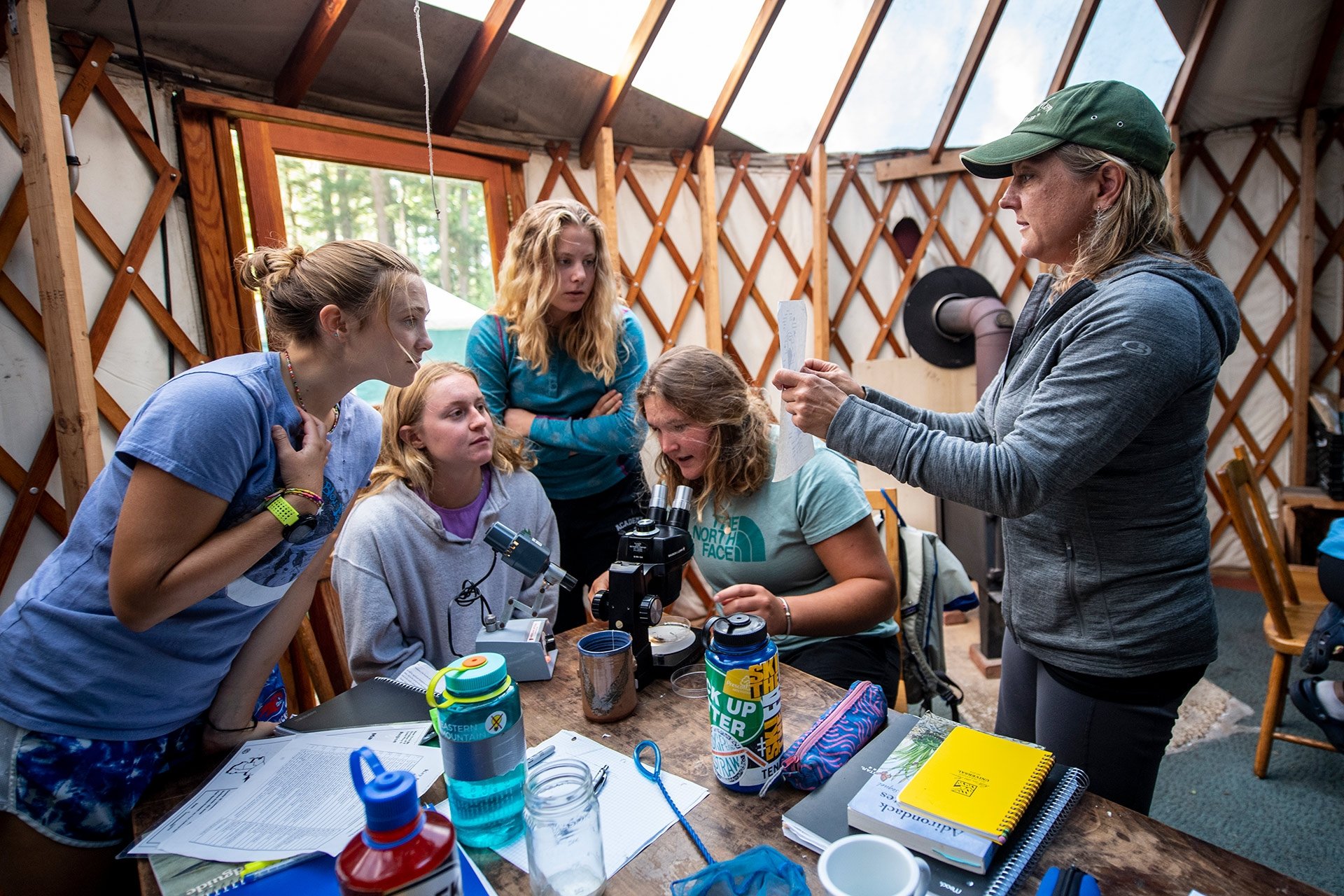
Take what you’re learning at St. Lawrence into new landscapes, ecosystems, and communities. Our environmental science major is designed with flexibility for off-campus study, giving you opportunities to experience environmental questions in dramatically different settings.
You might spend a semester living and learning in The Adirondacks, Kenya, New Zealand, or pursue an EcoLeague exchange at another environmentally focused institution. Wherever you go, you’ll have the chance to see how environmental systems, and the challenges surrounding them, change from place to place.
Career and Graduate-School Preparation
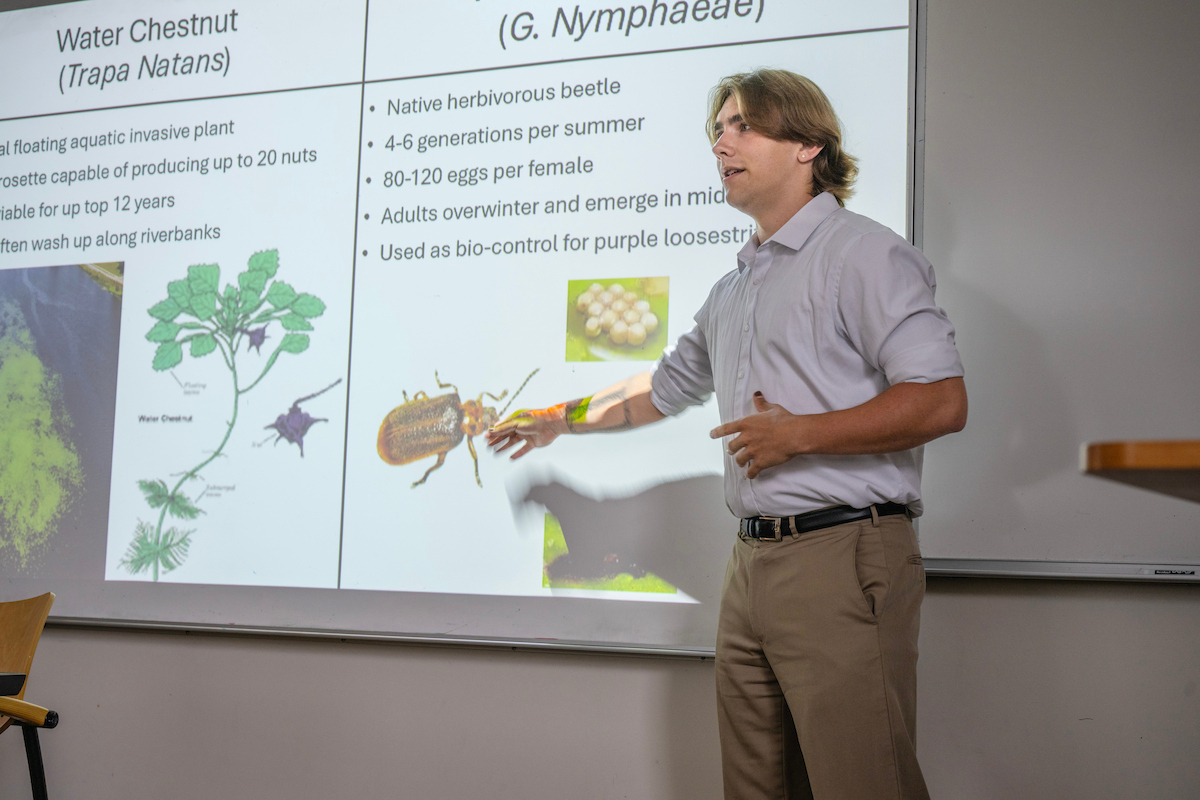
Our environmental science major prepares you for careers and graduate study with a strong scientific foundation and practical, transferable skills.
You’ll build experience in:
- Quantitative and data analysis
- GIS and mapping
- Laboratory methods and scientific instrumentation
- Research and problem-solving
- Scientific communication
- Interdisciplinary thinking
As your interests develop, your faculty mentors will help you choose courses that connect your studies with your goals, whether you’re interested in environmental chemistry, analytics, energy, ecology, climate, research, policy, or another path.
Connect with Community
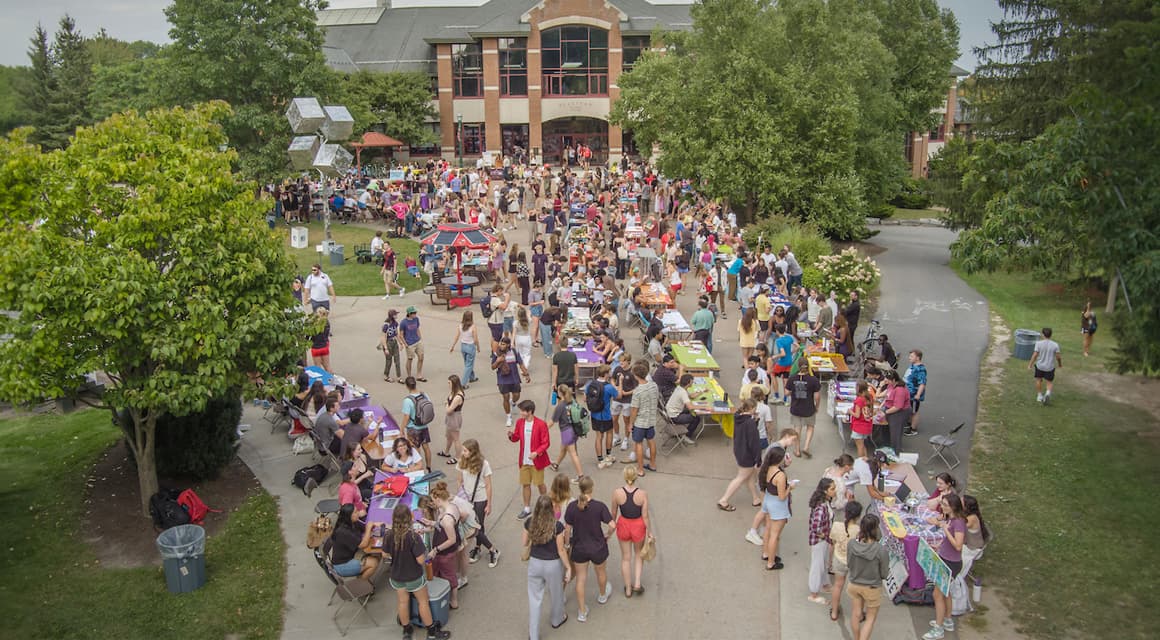
Among the 150+ clubs and organizations at St. Lawrence, you’ll find many that involve the outdoors and environmental advocacy, including:
- Outing Club
- Geology Club
- Environmental Action Organization
- CLAW - Connecting Laurentians Around Wilderness
- Quantitative Club
- Seed to Table
- St. Lawrence River Alliance
- The Greenhouse
- Model U.N.
- Divestment Club
- Chymist
- Outdoor Program Guide
Why St. Lawrence for Environmental Science
Center for the Environment
Our brand-new Center for the Environment is a hub of environmental leadership, scholarship, and action.
GIS
Map it. See it. Solve it. GIS connects data to place, helping you spot patterns, track environmental change, and better understand what’s happening where.
20
miles from the Adirondack Park and St. Lawrence River
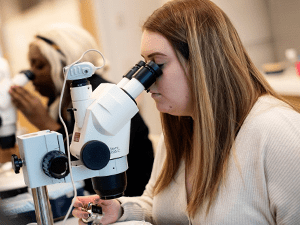
Research at St. Lawrence
Research gives you the chance to dig deeper into your liberal arts coursework in order to test bold ideas and uncover answers to your biggest questions.
$367K+
Grant & Fellowship Funding
82%
of students conduct research
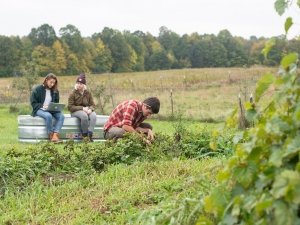
Living Lab
Our 110-acre living lab includes fields, forests, wetlands, and a garden.
Environmental Science Faculty
Learn alongside your faculty mentors who are invested in your career path.
Sara Ashpole, Ph. D.
Associate Professor
Environmental Studies and Sciences
Professor and Chair
R. Sheldon ’68 and Virginia H. Johnson Professor in the Sciences
Matt Higham
Associate Professor of Statistics and Data Science
Martha E. ’62 & Gregg E. Peterson Professorship
Math, Computer Science, and Statistics Department

Diane Husic
Executive Director of the Center for the Environment
Academic Affairs

Judith Nagel-Myers
Professor of Biology & Geology
Grace J. Fippinger ’48 Professor of the Sciences

Antun Husinec
James H. Chapin Professor of Geology and Mineralogy
Get More Information
We’re excited to learn more about you, tell you more about our interdisciplinary academic programs, show you around our beautiful campus, and help you navigate your college search.
Apply to St. Lawrence
We’re looking for curious students who are eager to make a difference. We take a holistic approach to reviewing applications and consider all aspects of your application and what we learn about you.