
Rooted in Arcadia
By Garen Steiner and Rachael Welch
September 29, 2025
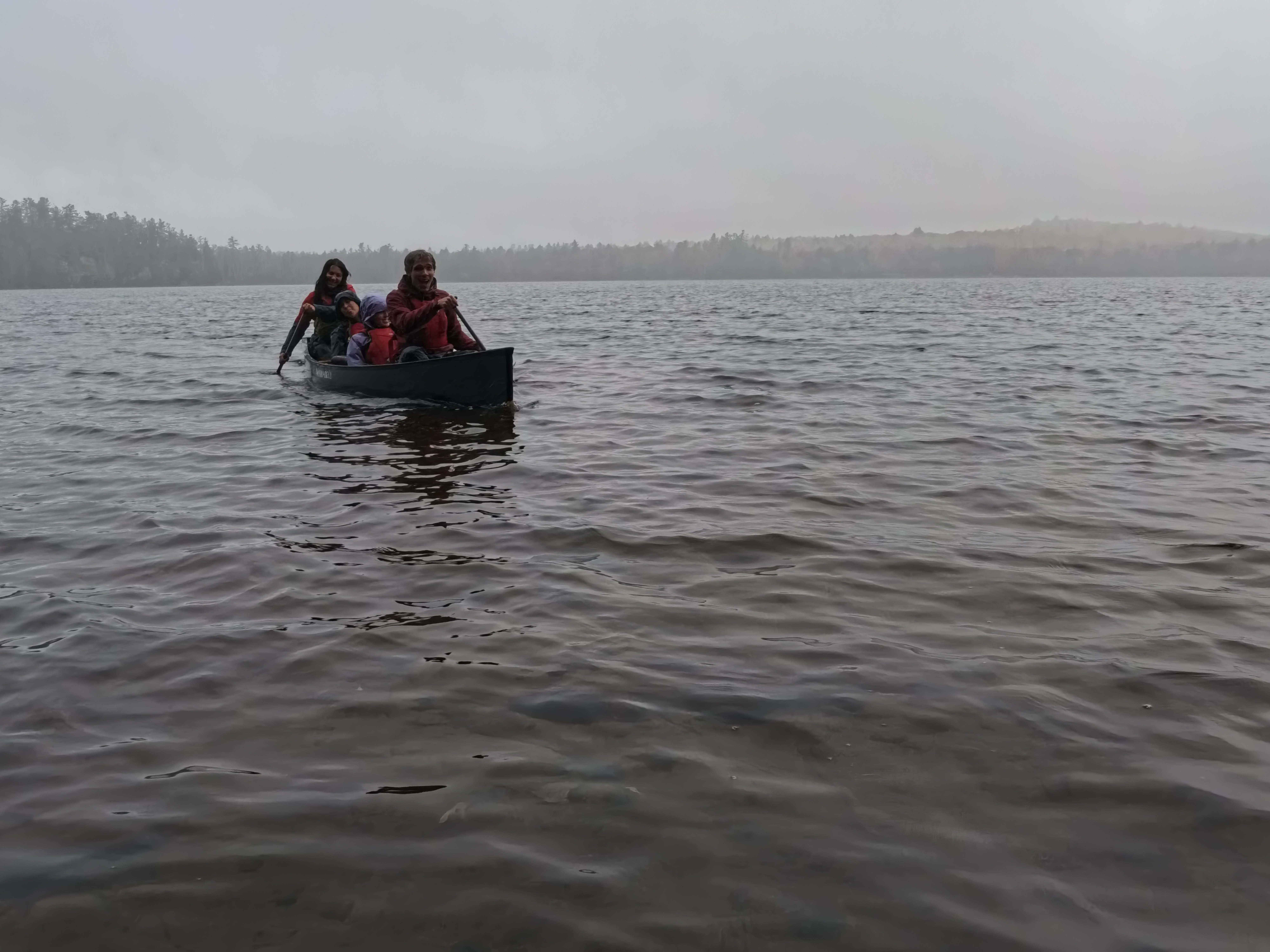
In Arcadia you cannot simply roll out of bed, grab a bar, and hustle to class. Breakfast is a warm routine where food is shared around the table as we all begin to wake up. You await the prized Maple “Gurt” (i.e., yogurt) clumsily making its way down the table and may share a laugh or two in-between, or get a stare down from Lars because they desperately want the “gurt” after you. It’s these moments amidst patience that are cherished. You make time to take the splendid paddle across the lake to Everett’s woodworking class and notice the loon family playing a silly game of tag. Canoes only move so fast. When carving your canoe paddle, this process cannot be rushed. Every wood shaving is a result of your intentions. Paddles take time. Moving through life this way mirrors the trees. They wind their roots slowly through the soil to absorb the nutrients around them and diligently branch out into new areas of light. In the course of time, they change their leaves to beautiful hues. Collectively they are part of something much greater—the forest. As we slow down, we are beginning to notice our similarity, and they inspire us to follow suit.
As trees create their root system, they do so deliberately, forming a deep connection with the ground beneath them. Now we must do the same. In Jacob McCoola’s class, Knowing Nature, we are all tasked with one hour of “sit-spotting” each week. We venture to a spot of our choosing and simply sit. We use our senses to observe. If you ask Jake, he’ll say this is “arguably the most important aspect of my class.” As Arcadian Garen would say, the “ponderabilities” are endless, and every individual’s experience with this assignment is vastly different. Eva shared that to her this time is “magical and everything feels so alive once I’m aware of it.” The ability to notice and appreciate the world as bigger than ourselves has been a large theme that we are discovering. In the van ride to Whiteface Mountain, Jordanna, Garen, and Beckley watched a little inchworm make its way up the seat. Danna remarked, “I wish I was an inchworm sometimes.” Yes, that would be lovely. If we had been distracted by a silly little phone, this moment could have been missed. As we all begin to feel rooted in our environment, it’s time to grow some branches.
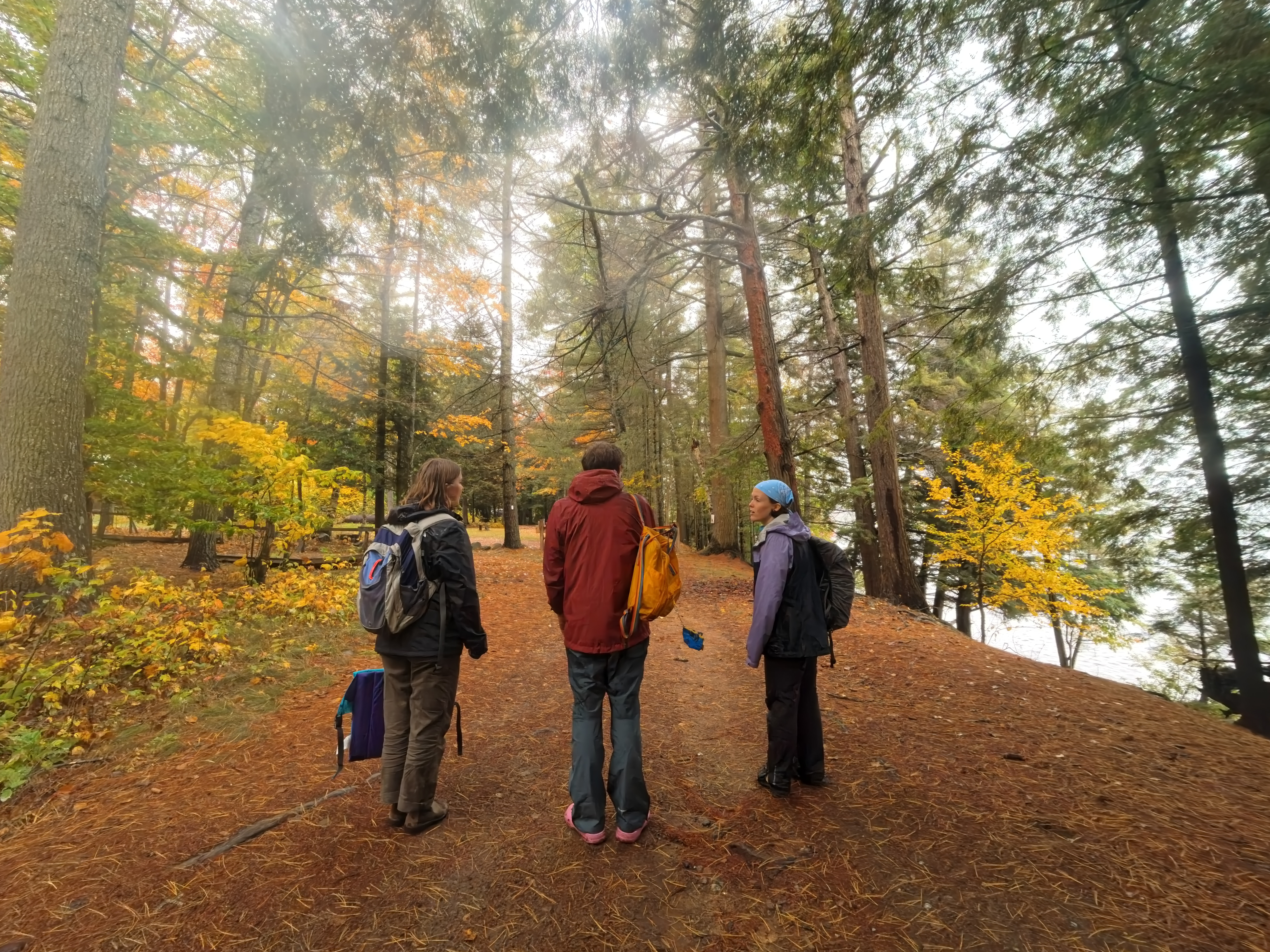
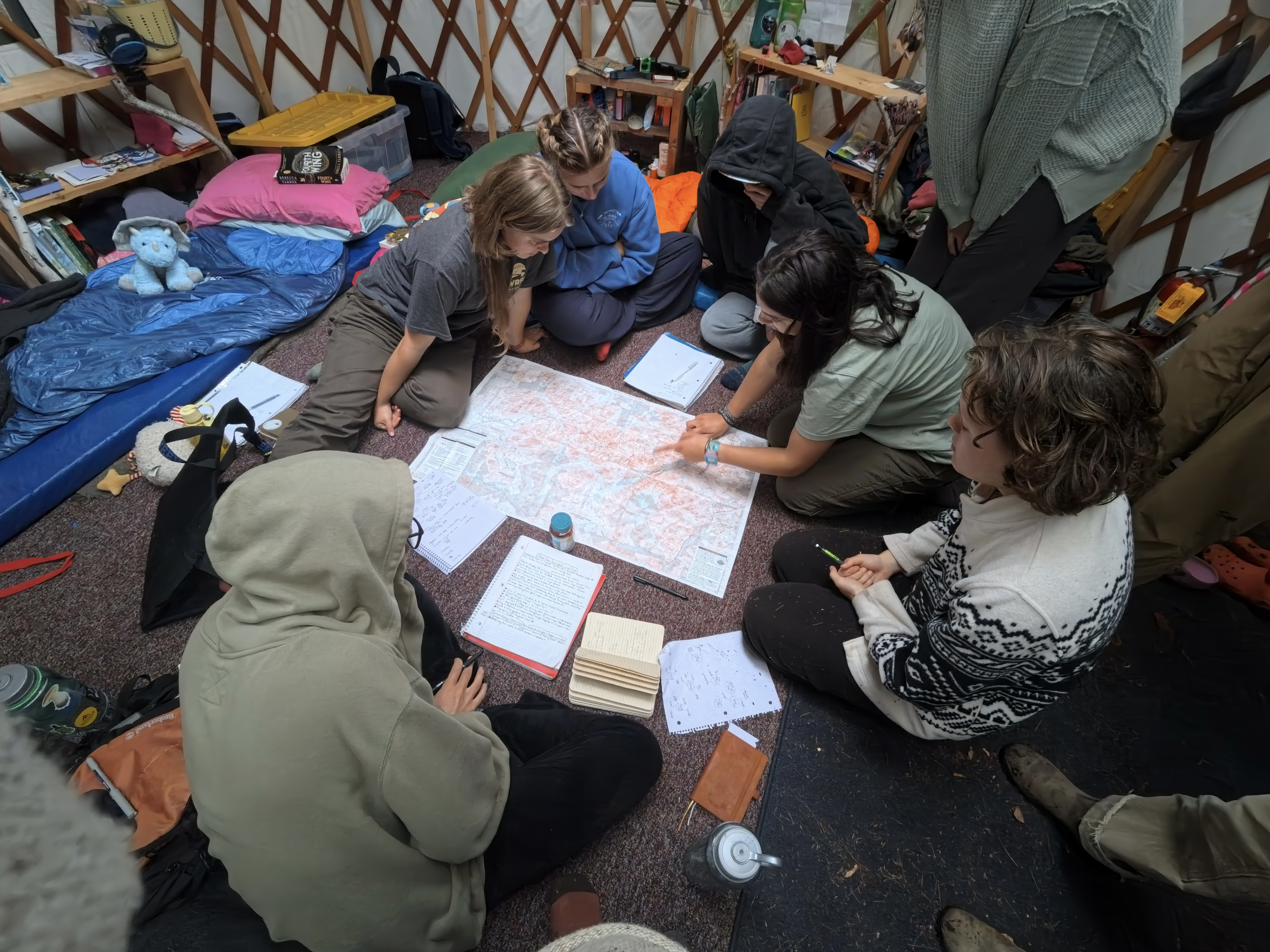
Growing up and out requires seeking new light and higher elevation. As for us, the Arcadian experience is one of our many branches. We all chose to be here knowing we’d need to abandon old branches we’d grown accustomed to, in search of new growth. And by all meanings of the word, we’ve grown. Each Arcadian has tried something new, from unfamiliar foods to leading a group of fourteen through unknown waters. If you ask Jordyn what new things she’s tried, you’ll get a list of foods a mile long: “pecan pie, nectarine, edamame, peppers, eggplant,” and so many more. Our time here isn’t even halfway through, and we’ve extended our canopies farther than we could have imagined. As we prepare for our seven-day backpacking trip through the High Peaks, many elements of preparation are new to the group. We must plan our food rations, routes, mileage, elevation, campsites, and backups for the backups. Mostly left to our own devices, our canopies must overlap to achieve our goals. Each of us have things we’re excited to see and do, but of course growing straight up and hogging all the light isn’t an option, because to be a tree is to be part of a forest, and everyone needs space to thrive.
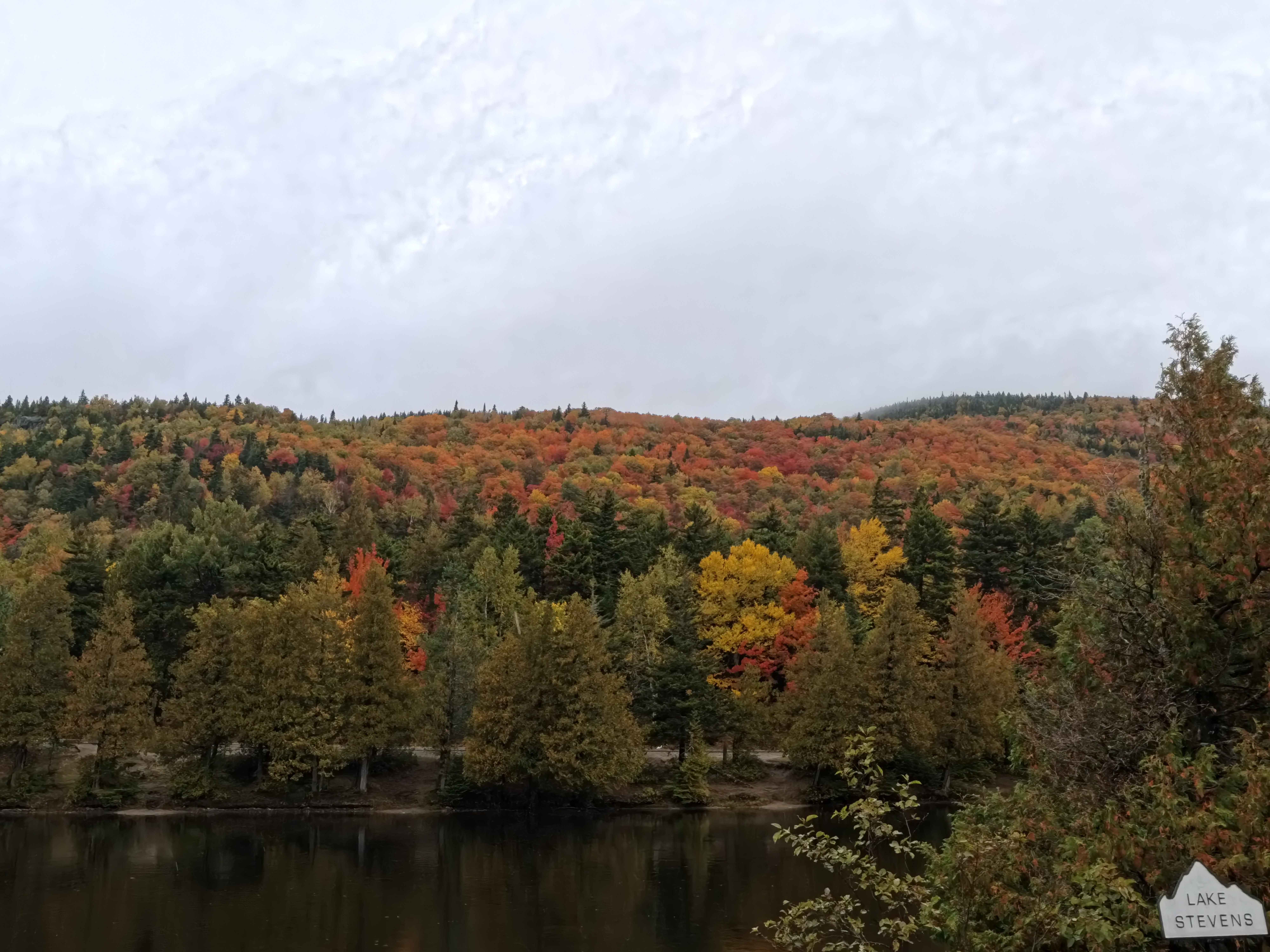
Trees, especially deciduous ones, are continually changing beings, with beautiful shifts in vivid hues as time passes. To Arcadians, time is a tricky concept to think about since, as Jacqui says, “Days feel slow and weeks feel fast.” As humans, we are all too often trying to slow or stop this process, but trees can help us wrap our heads around it. In our Ecology and Natural History of the Adirondacks class with Eileen Visser, we have all been tasked with observing a certain species of deciduous trees and noting how they change with time. Noticing the way they gradually shift week to week parallels our experience here as well. Another aspect of change is by environment. While on an adventure in Eileen’s class, we drove up Whiteface Mountain and stopped to calculate the variation in tree types at increasing elevations. At the very bottom were mostly beeches, maples, and yellow birches. As we went higher, we saw more spruces, and the balsam firs grew shorter. Not only do trees change with time, but also with the environment and climate, and we are doing just that. We can’t yet predict how, but we know it’s inevitable, and we welcome it.
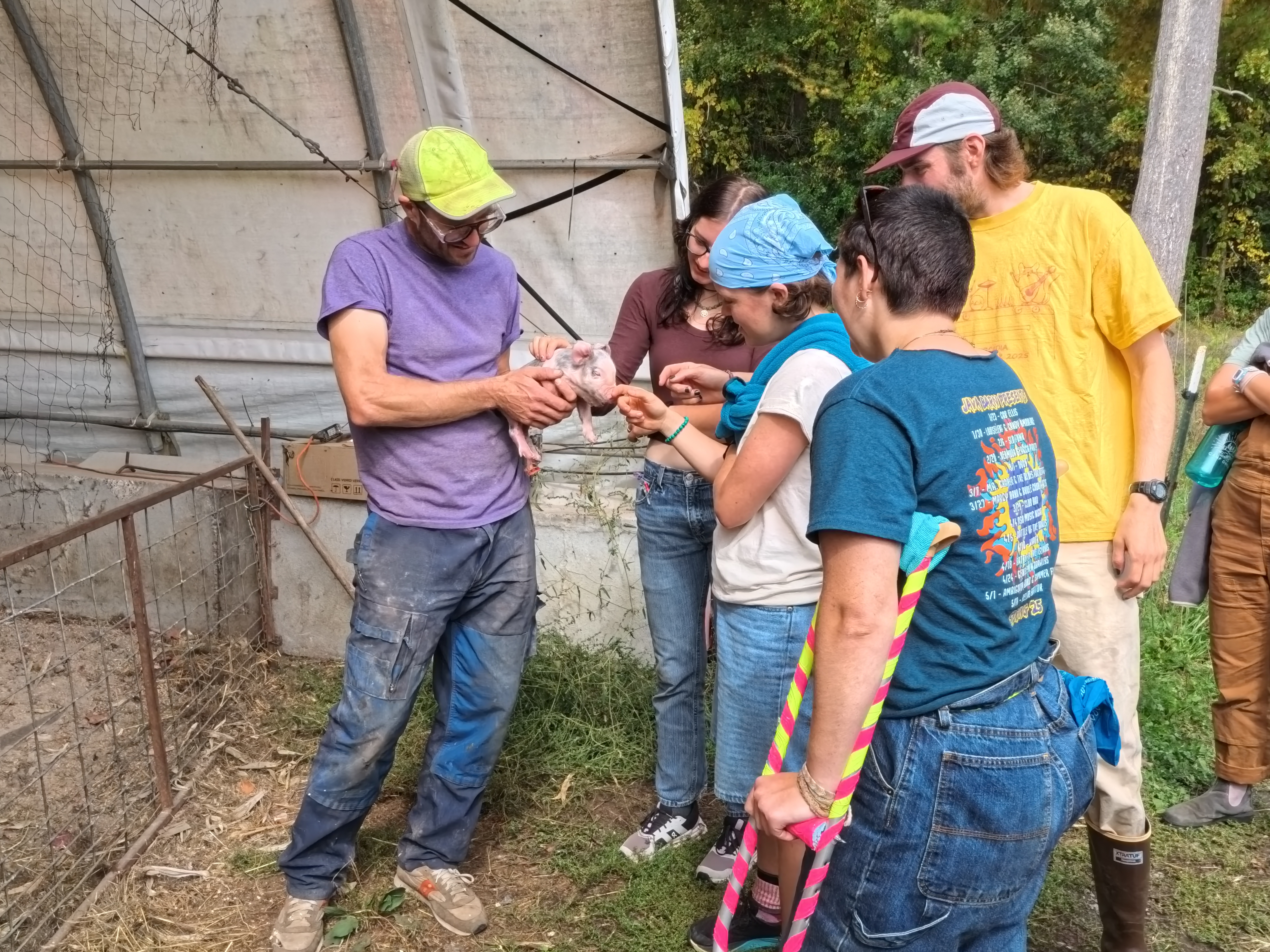
Our roots have become interconnected through our time in Arcadia, just like those of an aged forest. As we feel connected to our environment, we also must connect to our neighboring trees. When a tree becomes ill, the surrounding trees naturally send nutrients its way. We are all becoming in tune with the rhythm of our forest and the moods and habits of each tree. As Marina says, “All you need to do is ask,” and we will be there for each other. To be interconnected also means to know where your nutrients came from. So, this past Saturday our group ventured to North Country Creamery and Mace Chasm Farms in Keeseville, NY, to the roots and foundations of our family meals. (These two farms supply some of the regional foods we eat during our time in Arcadia.) We walked through the pastures, gardens, and fields, acknowledging the soil and beings that help sustain us. However, food is only one aspect of life that we share. We also share ideas, spaces, and time. Some of the trees in Massawepie have stood since before the first group of Arcadians spread their roots here, twenty-five years ago. To them, we’re just saplings. As trees, we’ve chosen to reach out our roots to each other, and to the community, for the prosperity of the forest.
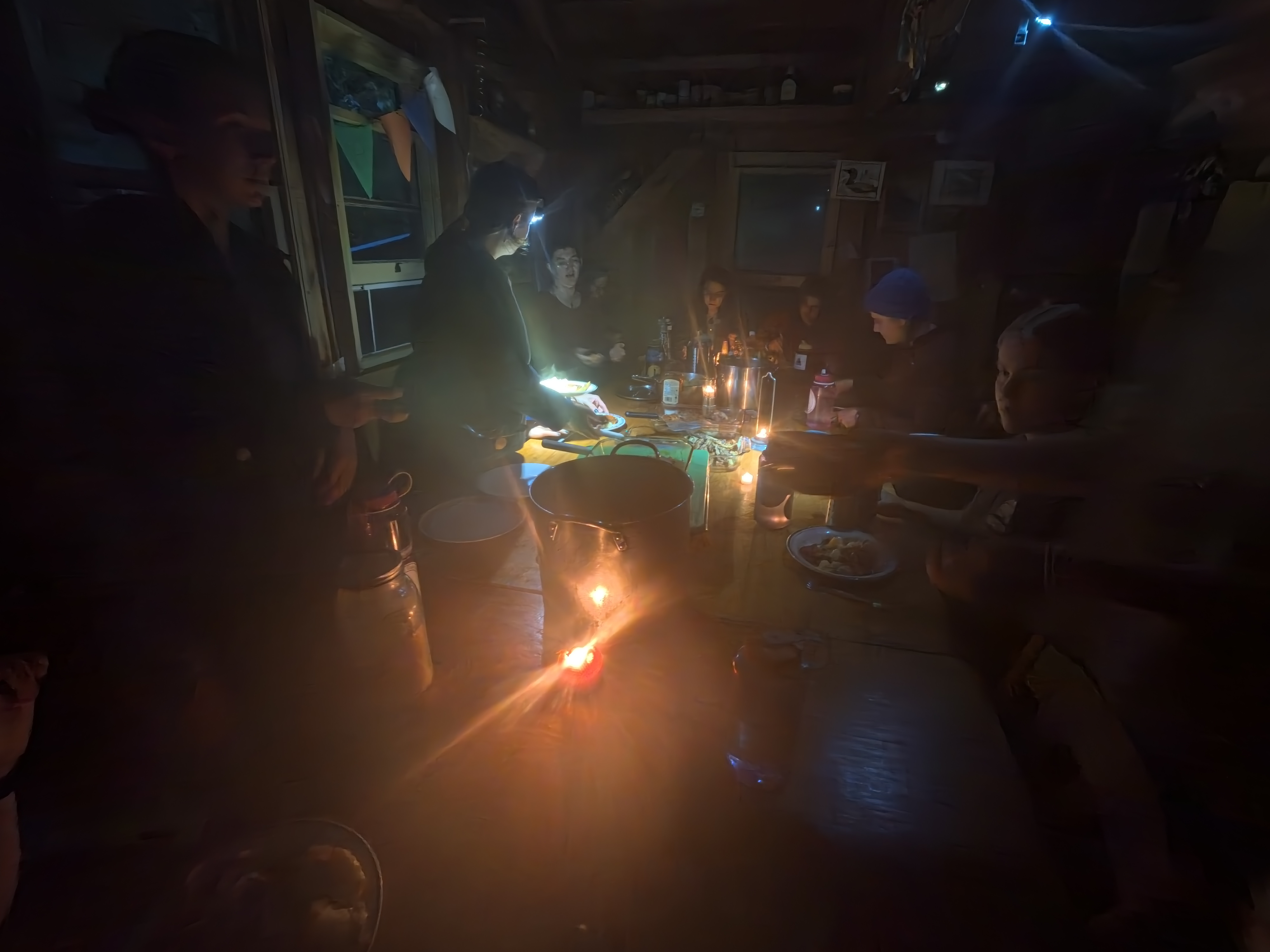
With our ever-changing forest of souls, we are able to lean on each other and sway without breaking. Standing alone, the storms of life could topple us in one fell swoop. The beautiful thing about forests is that they weather storms together. We insulate each other and share the weight. This week it was raining for three days, leaving us devoid of sunlight and, therefore, solar energy. The cooks, Emily and Lars, worked by headlamp to prepare the world’s best eggplant parm. Dinner time was accompanied by the flickering of candles, and even if we couldn’t see the food, it tasted delicious. The group also hosted a “bad talent show.” Acts included tandem yoga by Leah and Nicole, backwards ABCs by Jacqui, and Emily attempting to juggle sticks of all shapes and sizes. This playful experience showed us that challenges aren’t as scary when surrounded by an uplifting community. As Maddy said, “This is the best audience you’ll ever have.” An important part of life here is making space for every person to be heard. When dealing with challenges, louder voices hush down and the quiet folks speak up. Arcadia is a biome created by and for the beings within it. When a storm comes our way—emotional or physical—we dig in our roots and huddle together. We refuse to let one of our fellow trees get knocked down, because the forest wouldn’t be the same without them.
With the backpacking trip soon approaching, splitting our group in two, and mid-semester break poised to reintroduce technology back into our lives, our forest will be stirring with change. Will we be the same? Will conversation still flow like rivers and ideas fly like sparks? It’s hard to say. What we do know is that Arcadia will be waiting, as it always has. It’s no longer unfamiliar soil, but home. We may lose a few leaves along the way, but that makes space for new growth. Our forest will return with tougher bark and taller trunks, not only growing towards the sun’s light but each other’s as well. As we have slowed our pace in Arcadia, we have realized that nature is always there to teach, but only if we are there to listen.
