
In Arcadia We Belong
By Beckley Wooster, and Maddy McGlinn
October 27, 2025
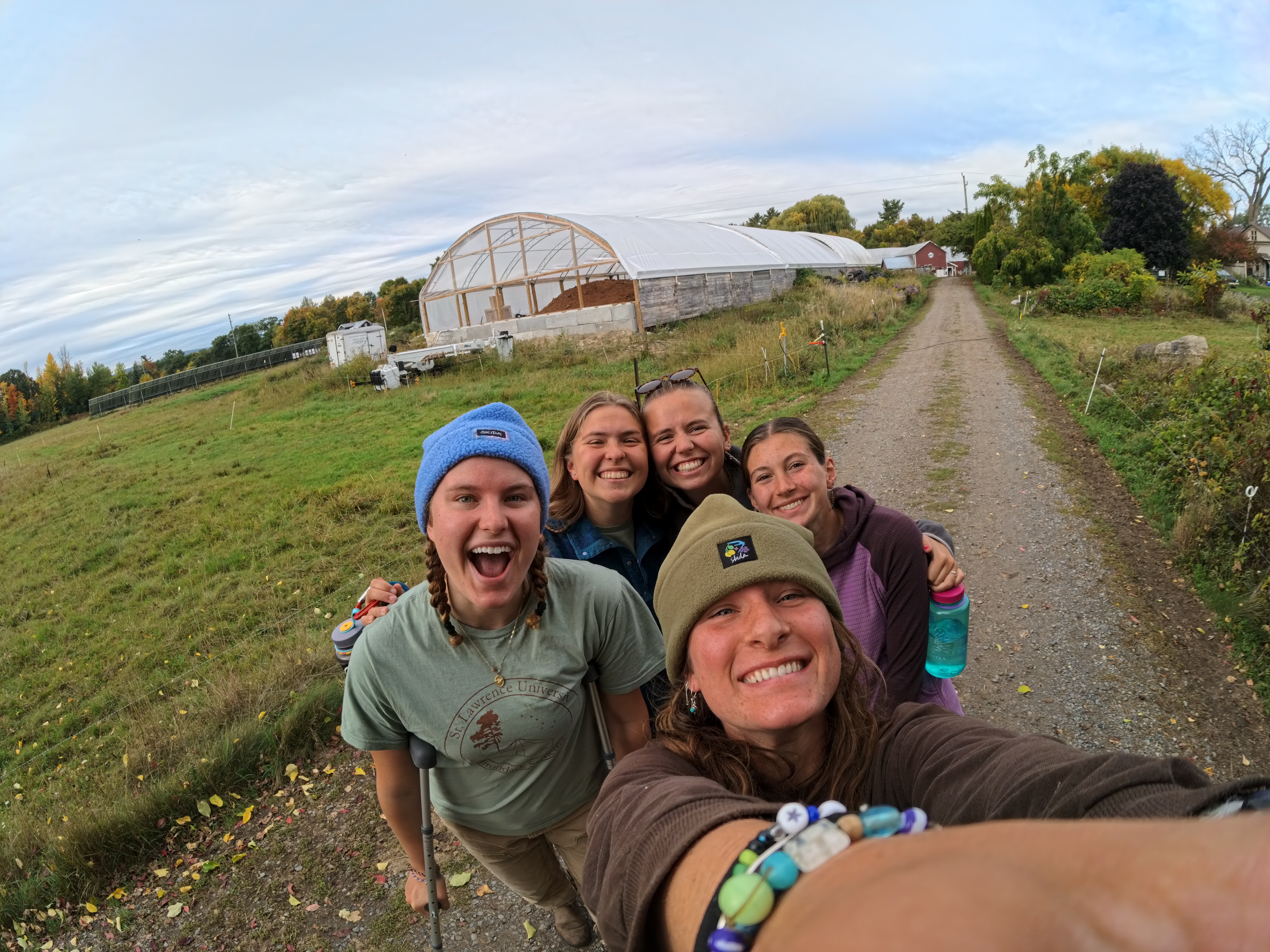
The village of Arcadia has never looked as spiffy as it did the day of our Family Dinner. We mopped the kitchen floor, swept doorsteps, washed windows, and decorated white boards, all while bursting with excitement about what was to come. On that sunny Friday afternoon in early October, we opened the village to our beloved friends and family. We had the opportunity to show our guests around Arcadia and give them a taste of what it’s like to live in this special place. As Adirondack Semester tradition goes, we all shared a delicious autumn feast cooked with help from alumni of the program. Family and friends had the chance to meet each other and connect with some of our professors. Throughout the evening, we all had the joy of watching a slideshow of pictures that our director and assistant directors took during the first half of our semester. This was probably the most exciting for the students because it was the first time we got to see our memories in photo form. As the meal came to a close, the twelve of us joined arms at the front of the room to sing Caamp’s “By and By,” which we have adopted as our song of the semester. Finally, with full bellies and hearts, we all hugged goodbye and our group dispersed for the first time since August.
Starting that Friday night, we had the weekend off until Tuesday morning for our mid-semester break. Many of us traveled back to campus, but some spent the weekend elsewhere with family and friends. The shift back to life outside Arcadia was intense and in many ways felt like culture shock. Coming from our deeply intentional lifestyle, many aspects of campus and home lives felt chaotic and unfamiliar. Suddenly we could turn on a tap for water instead of carrying it over from the lake, and our nights were lit by fluorescent lighting instead of by headlamps. After weeks and weeks of sleeping cozied up in our yurts and waking up with the sun, we were suddenly waking up in noisy dorm rooms or back at our homes. These drastic shifts were confusing, exciting, and jarring. For those of us on campus, we were suddenly thrown back into the chaos of seeing old friends, using technology, and navigating the bustling dining hall. In the words of Arcadian Maddy McGlinn, “The whole weekend felt like a whirlwind.” Throughout all of our interactions, we quickly learned that finding a three-sentence answer to “how’s your semester going?” is nearly impossible. There isn’t really a way to put the Adirondack Semester into words, but we did our best. And amidst the high energy of reunions and catching up, we found calm in each other. As Arcadian Marina Garlick later said, “Every time I saw a brown Adirondack Semester vest on campus, I felt like I could take a deep breath. Those vests signify someone who is comforting to be around.” This sentiment speaks to the strong sense of belonging we’ve cultivated within our community at Arcadia.
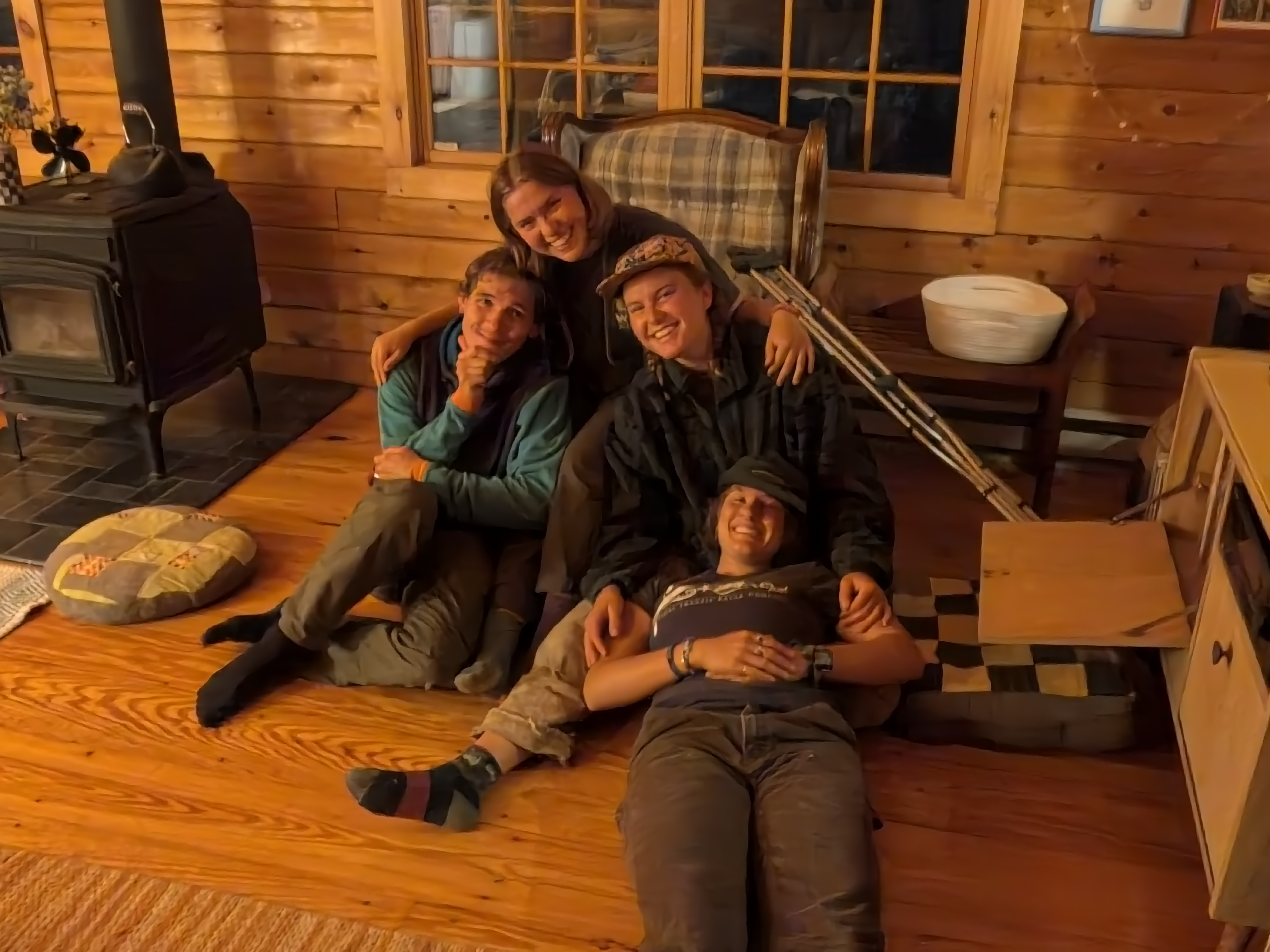
The deep belonging we feel in this group is not a coincidence; it’s a result of the intentional way this community has been crafted for years. Our routines, values and traditions are designed to be conducive to inclusion and group cohesion. Sharing a relatively small space and the same schedule means that we spend a majority of our time together. We move through our days as a group, and everyone plays an integral role. When someone is absent from the group, we all feel it, and that level of togetherness is unique and powerful. Being so in-tune with each member of our community highlights how important and valuable we all are, and recognizing this feels really special.
Another important aspect of our Arcadian community is that each person has the opportunity to directly influence the structure and flow of our group. Every Wednesday evening, once dinner dishes are finished, we gather in the Curt (Community Yurt) for our weekly Community Meeting. This is a chance for us to check in with each other, voice any concerns, and have important conversations. Topics range from kitchen cleanup strategies and scheduling questions to giving more hugs and pondering one-on-one time. Having this intentional space ensures that everyone has a say in creating an environment that not only meets our needs but also helps all of us thrive. Community Meeting is a key contributor to the sense of belonging Arcadians share in this space.
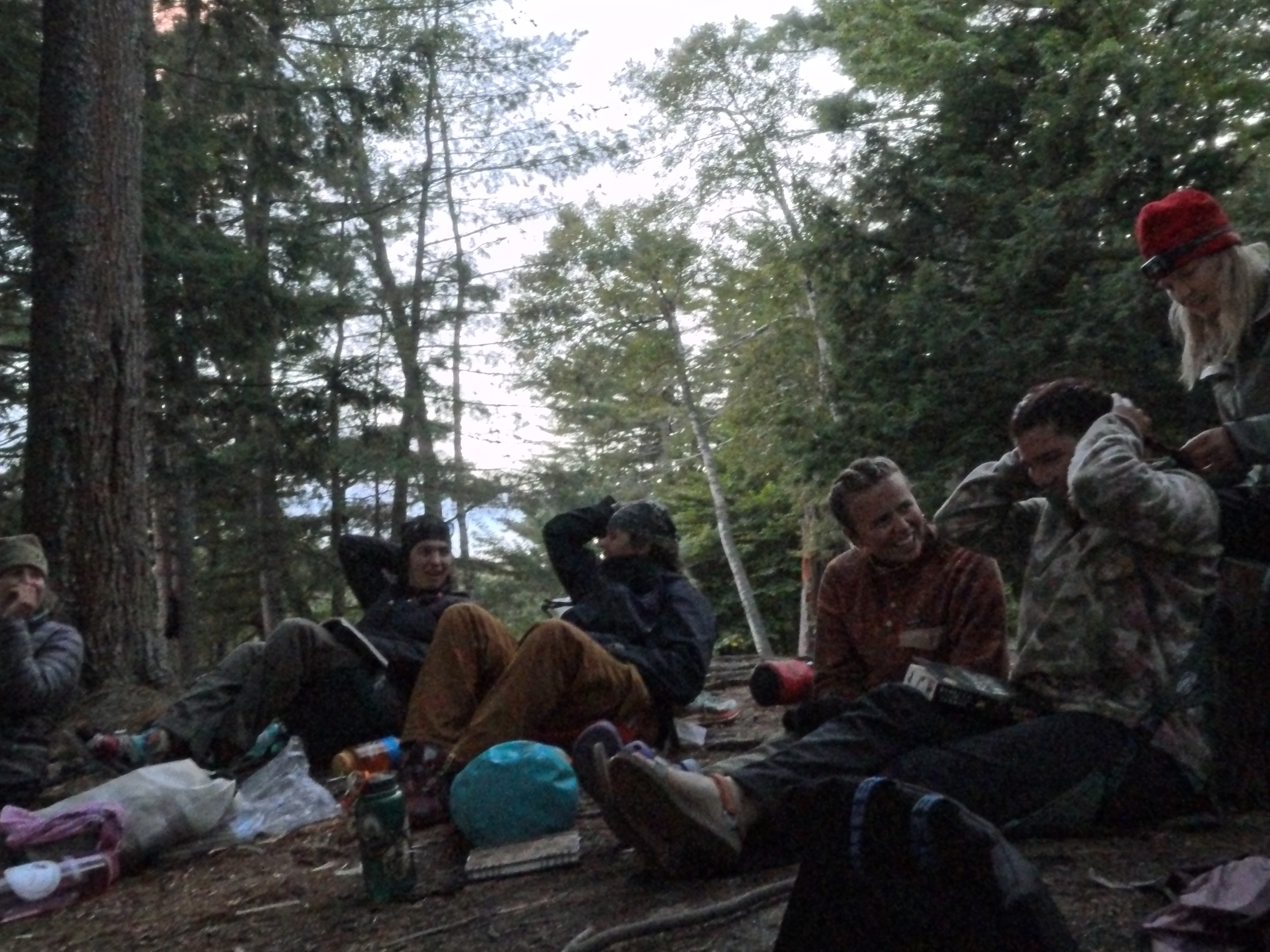
Along with this, another integral part of our community is our shared mealtimes. They are a meaningful part of our community and look like so. 7:15 every morning the bell on the front porch of the kitchen rings. Dreams are shared at the table, whether they are ones that arrived during our slumber or ones we’ve had since childhood. Plans get shared for the day and we are off. Dinner looks pretty similar. 6:30 PM every evening the bell on the front porch of the kitchen rings. “High, Low, Buffalo” starts going around the table to see how everyone’s day was. If you are not familiar with “High, Low, Buffalo,” it goes a little something like this: high is the highlight of your day, low is the lowest moment, and your buffalo is something unexpected that happened. We usually go in a circle, due to our yurt mentality, as we all share and remark on each other’s days.
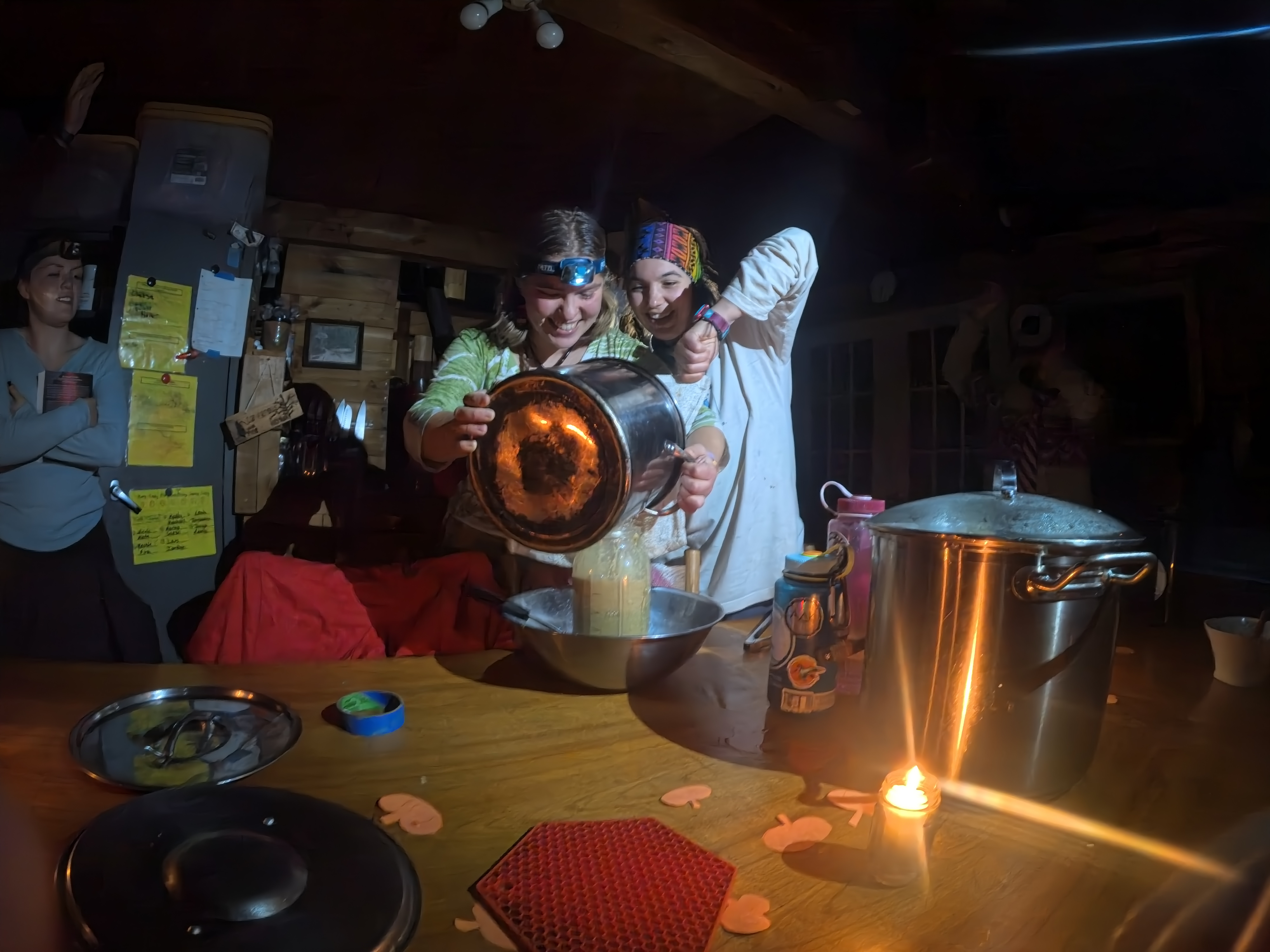
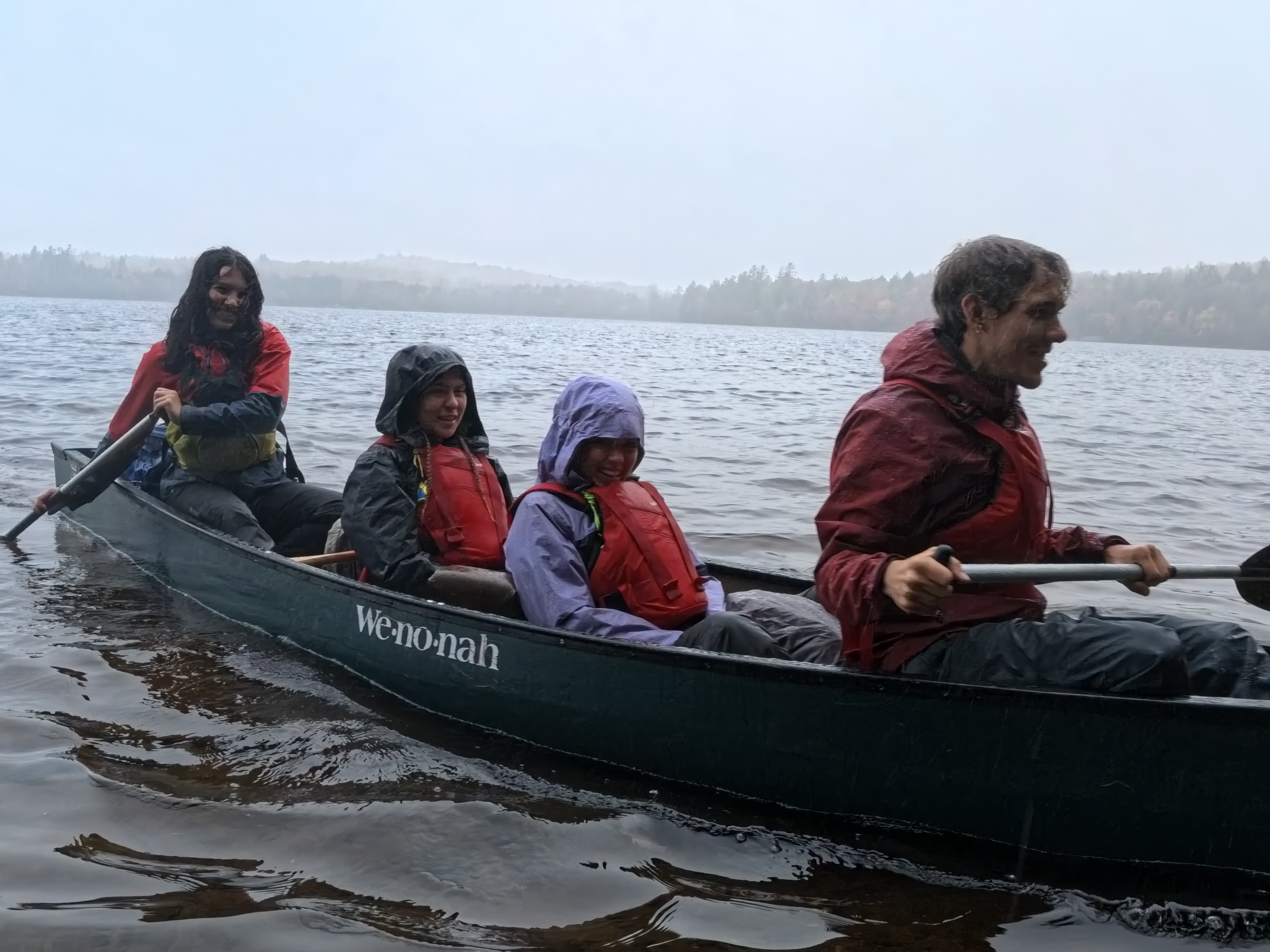
Being able to share two meals daily is rare in our current age, partly due to the distractions of technology. One of Garin Steiner’s favorite parts about this program is the limited technology use. She states, “Time is so valuable to the people here.” She continues to explain that there are fewer distractions to pull us away from the current moment with each other. When we transitioned back from the hustle and bustle of mid-semester break, the first thing we wanted to do was give up our phones and jump back into our routine. Until break, we had no access to our personal phones. Our communication depended on handwritten letters that would only arrive once a week or canoeing across the lake to where our communal flip phone lives. Each action has a heartwarming intention behind it, so if you’ve received a phone call or letter, a lot of love is behind it.
Some might say “crazy” when they hear about a college student doing a program in the woods with no technology. Yet it’s a lot less crazy than one might think. The limited, non-digital technology is a huge factor in how we’ve created this community. There is more intention brought to everything we do. Music must be created, water must be boiled, and papers must be written by hand. Showers are a 20-minute canoe paddle away, or if you aren’t interested in that, then boil some water and start a fire for the sauna. It sounds like a lot of effort and time that goes into little day-to-day tasks, which is true. Yet that’s the beauty of it all. We are reminded of this every day within Clive, our composting toilet. A quotation on the right stall of Clive states, “If time-saving devices really saved time, there would be more time available to use now than ever before in history. But, strangely enough< we seem to have less time than even a few years ago. It’s really great fun to go someplace where there are no time-saving devices because when you do, you’ll find that you have lots of time.” The removal of phones, computers, showers and running water in general pulls us together. As Right Clive also says, we get to be where our feet are.
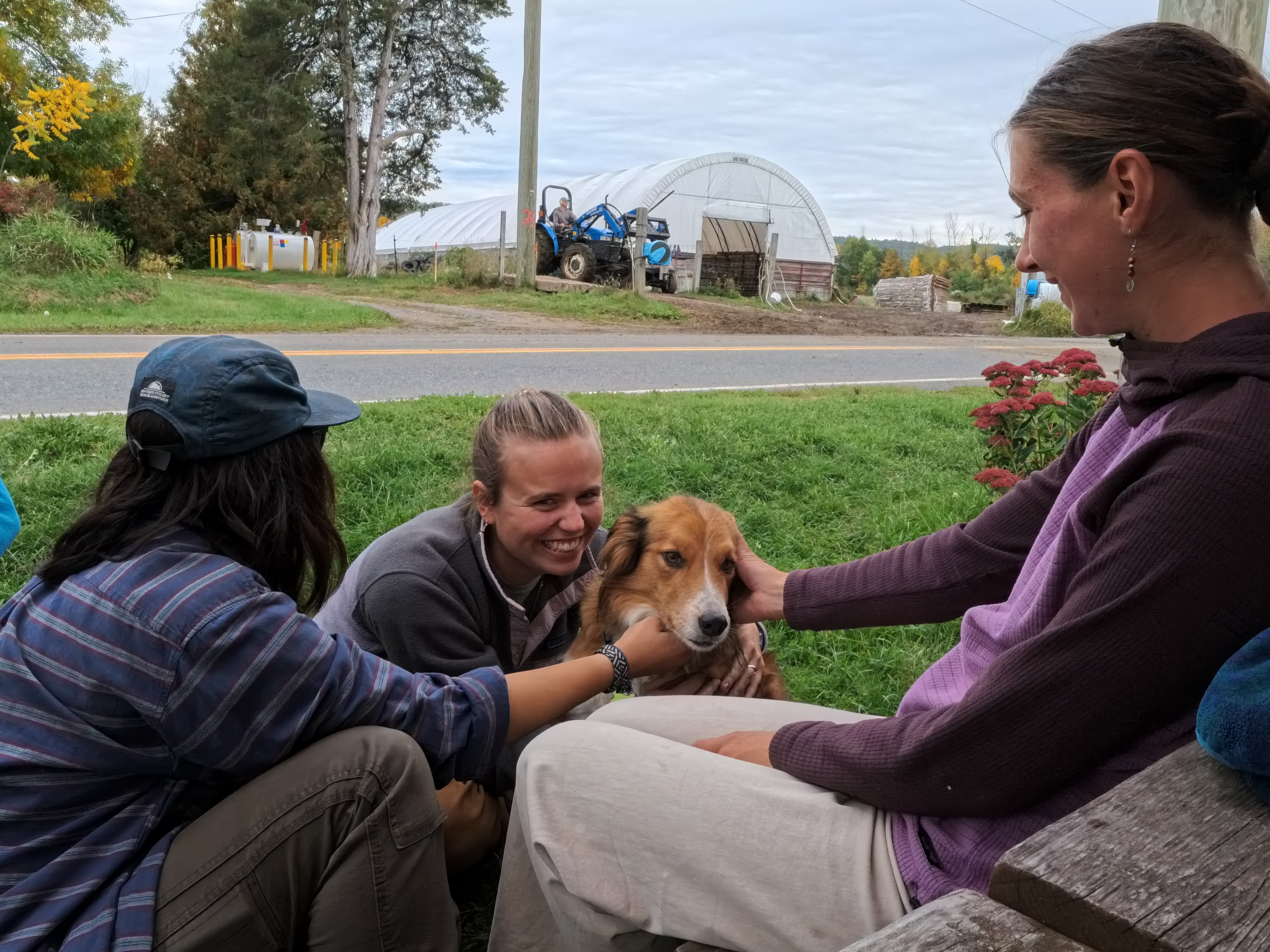
Even though we have removed a lot of modern-day distractions in Arcadia, being where our feet are is a lot easier said than done. In our Knowing Nature class with Adirondack Semester director Jacob McCoola, we have been exploring just that by looking at our own individual relationships with the natural world. A large component of this class is a practice called sit spots, which we all do on our own at some point every week. For a sit spot, we each find a place to sit outside for an hour by ourselves with no distractions. The idea is to observe our surroundings and sit with whatever thoughts and feelings we have in the moment. This can be very challenging and uncomfortable, but it can also be a wonderful opportunity to witness new levels and complexities of the natural world that we hadn’t noticed before. This process was new and a little intimidating for many of us at the beginning of the semester., but it has proven to be a valuable and worthwhile component of our experience. We’ve had the time and space to explore ways we find belonging in nature as individuals.
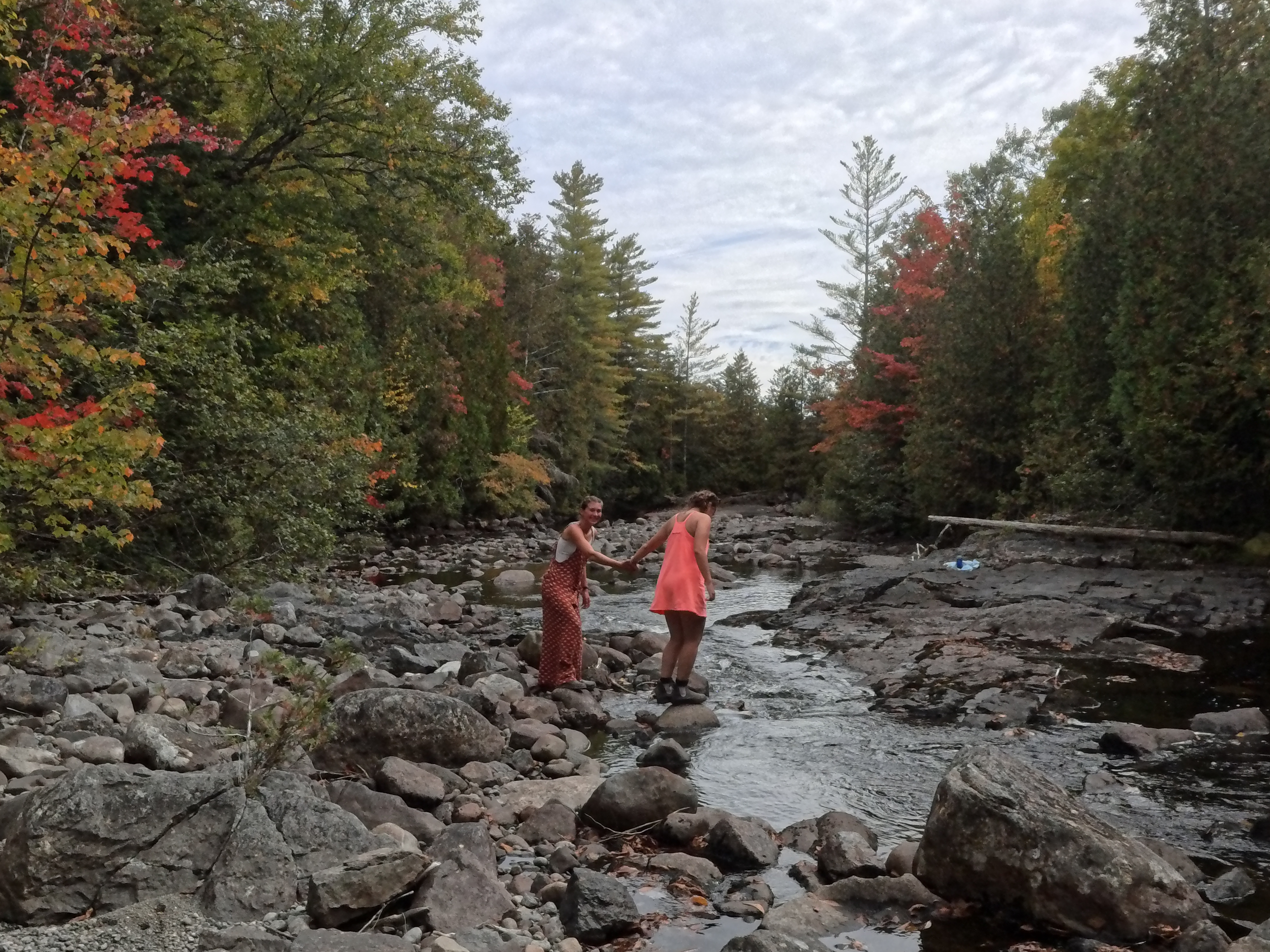
Exploring our different levels and aspects of belonging has helped us deepen our senses of self. Over the past few weeks, jumping from individual sit spots and our intentional community to the chaos of mid-semester break and technology has been a jarring juxtaposition for us. However, our resilience has only grown stronger, and having each other in a community where we all belong has helped us stay grounded. Now that we’ve settled back into our group dynamic, we will soon have the opportunity to further explore our own relationships with nature and belonging as we prepare to embark on solos. Each of us will spend one or two nights alone at a campsite somewhere on the Massawepie property, where we’ll have time to observe, reflect and challenge ourselves. Amidst the excitement and nerves, we’re all in it together, and that’s a beautiful thing.